
The federal EV tax credit ended September 30, 2025 — what changed and what still counts
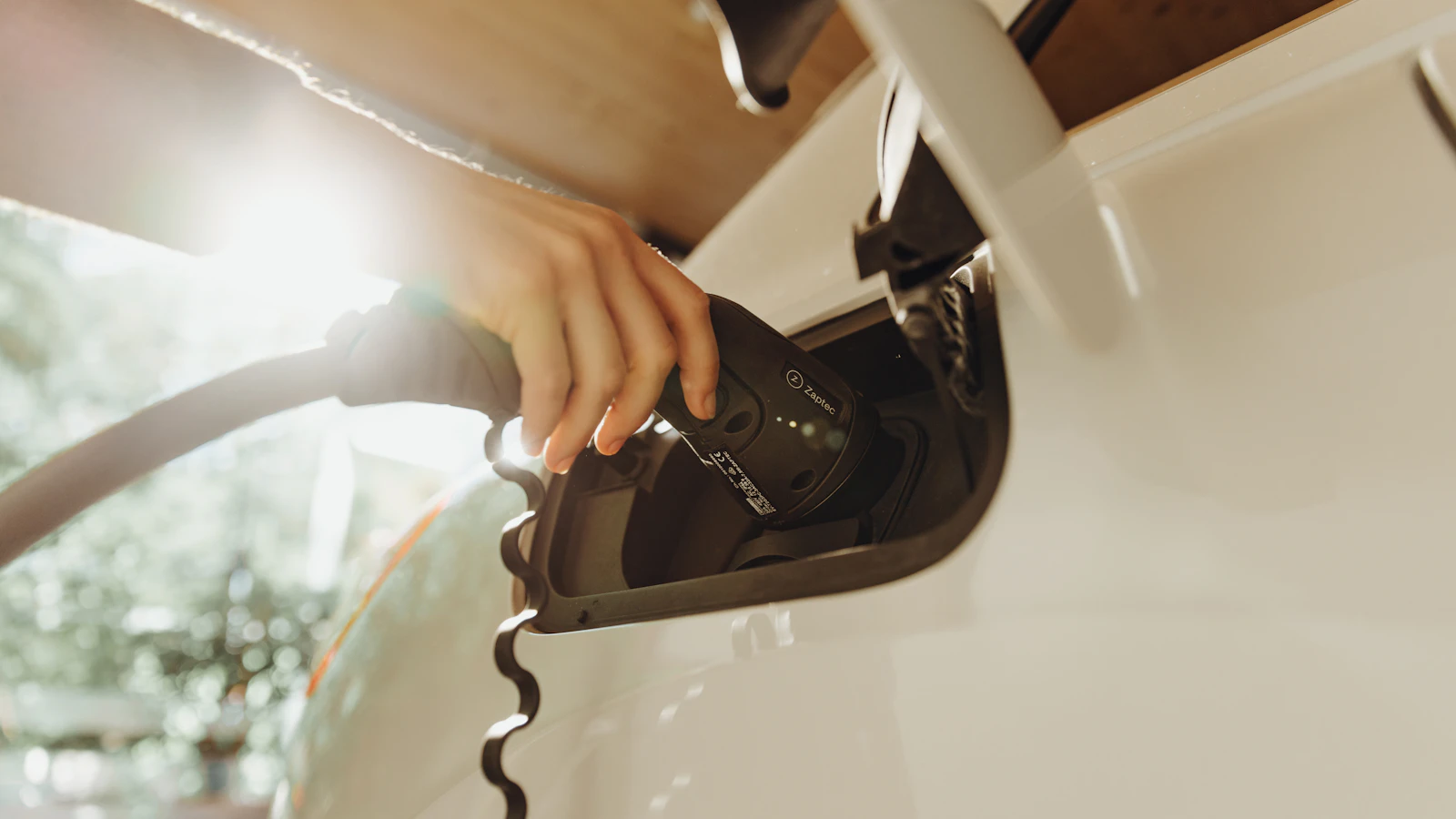
Photo by Zaptec · Unsplash
A law signed in July 2025 shut down the federal EV tax credit more than seven years ahead of schedule. Here is exactly what the credit offered, the date it stopped, and the one exception that still lets some buyers claim it.
The federal tax credit for buying an electric vehicle — up to $7,500 for a new one, $4,000 for a used one — ended for any vehicle acquired after September 30, 2025. The One Big Beautiful Bill Act, signed into law on July 4, 2025, eliminated it more than seven years ahead of the December 2032 expiration originally written into the 2022 Inflation Reduction Act. Anyone who bought or is still shopping for an EV needs to know exactly what the credit covered and what the September 30 cutoff actually requires.
What ended, and the exact date
Three separate federal credits tied to clean vehicles stopped applying to any vehicle acquired after September 30, 2025:
| Credit | Code section | Applied to |
|---|---|---|
| New Clean Vehicle Credit | 30D | New EVs and plug-in hybrids bought by individuals |
| Previously-Owned Clean Vehicle Credit | 25E | Used EVs and plug-in hybrids bought by individuals |
| Qualified Commercial Clean Vehicle Credit | 45W | Vehicles bought or leased by businesses, including the leasing pathway used by many consumer EV leases |
The IRS's own guidance is explicit: none of the three credits is available for a vehicle acquired after September 30, 2025.
What the credit used to offer
Before the cutoff, a qualifying new EV or plug-in hybrid could be worth up to $7,500, split into two $3,750 halves — one for meeting a critical-minerals sourcing requirement, one for meeting a battery-components requirement. A used EV could be worth 30% of the sale price, capped at $4,000.
| Detail | New vehicle (30D) | Used vehicle (25E) |
|---|---|---|
| Maximum credit | $7,500 | $4,000 (30% of sale price) |
| Vehicle price cap | $80,000 vans/SUVs/trucks, $55,000 other | $25,000 sale price |
| Income cap, married filing jointly | $300,000 | $150,000 |
| Income cap, single filer | $150,000 | $75,000 |
Both credits let a buyer use whichever year's income was lower — the year of delivery or the year before — to qualify, and both required buying from a dealer registered with the IRS's Energy Credits Online system.
The part that made it feel like a discount, not a refund
Starting January 1, 2024, a buyer no longer had to wait until filing a tax return to see the money. Both the new and used credit could be transferred to the dealer at the time of sale, and the dealer passed the value along immediately as a cash payment or a reduced purchase price — functionally an instant rebate rather than a credit claimed months later on Form 8936. According to the IRS's own FAQ on the transfer option, partial transfers were not allowed — a buyer transferred the full credit amount or none of it. That point-of-sale mechanism ended along with the underlying credits themselves for any vehicle acquired after September 30, 2025.
The one exception: a binding contract before the deadline
The credit isn't strictly gone for every vehicle delivered after September 30, 2025. The IRS defines "acquired" as the date a written binding contract is signed and a payment is made — a nominal down payment or a trade-in both count. A buyer who locked in a contract and made that payment on or before September 30, 2025 can still claim the credit once the vehicle is placed in service, even if delivery happens weeks or months later. Dealers are expected to provide a time-of-sale report at delivery or within three days of it, which is what a buyer needs on file to actually claim the credit on their return. New dealer registrations on the Energy Credits Online portal closed September 30, 2025 as well, though the portal stays open for previously registered dealers to file those reports.
What the deadline was worth in real numbers
Take a buyer purchasing a $45,000 new EV that qualified for the full credit:
| Timing | Vehicle price | Federal credit | Net cost |
|---|---|---|---|
| Acquired on or before September 30, 2025 | $45,000 | −$7,500 | $37,500 |
| Acquired after September 30, 2025 | $45,000 | $0 | $45,000 |
Same vehicle, same price, a $7,500 difference based entirely on which side of a single date the purchase fell. The used-vehicle math works the same way at smaller numbers: a $20,000 used EV qualified for $4,000 before the cutoff — 30% of the sale price, capped at the $4,000 maximum — bringing the net cost to $16,000. After September 30, 2025, that same $20,000 purchase costs the full $20,000, a 20% swing in what the buyer actually pays.
What else moved in the same law
The EV charging equipment credit — up to $1,000, or 30% of hardware and installation costs, whichever is less — was not cut off on the same date. It remains available for property placed in service through June 30, 2026, a full nine months past the vehicle credit's cutoff. The commercial clean vehicle credit's termination also closed a workaround some consumers had been using: leasing an EV routed the vehicle through the commercial credit's looser rules, letting a leasing company claim a credit with no income limit or assembly requirement and often pass the savings on as a lower monthly payment. With Section 45W gone for vehicles acquired after September 30, 2025, that path closed alongside the direct purchase credits.
What to check if you are shopping for an EV now
- The federal purchase credit is gone; check whether your state or utility still offers its own EV incentive, since several operate independently of the federal program.
- If you signed a contract before September 30, 2025 and haven't taken delivery yet, confirm your dealer can produce the required time-of-sale report — it is what substantiates the credit on your return.
- The charging equipment credit is still live through June 30, 2026, and is a separate claim from any vehicle purchase.
- Pricing on new and used EVs may shift as demand adjusts to the credit's absence; that is a market question, not a tax one, and worth researching separately before buying.
Sources
- IRS: FAQs for modification of sections 25C, 25D, 25E, 30C, 30D, 45L, 45W, and 179D under the One, Big, Beautiful Bill
- IRS: Credits for new clean vehicles purchased in 2023 or after
- IRS: Used clean vehicle credit
This is general information, not tax advice. Eligibility for any remaining credit depends on your specific purchase date, contract terms, and income. For a decision about your own return, speak to a tax professional or consult the IRS directly.